Native Advertising for Affiliates: The Insider's Guide That Works
Most affiliates treat native advertising like display ads with prettier clothes. That's their first mistake—and usually their last before they burn through their budget and declare native "doesn't work."
I've watched countless marketers fail at native because they fundamentally misunderstand what they're dealing with. Native isn't about interrupting people's browsing experience. It's about becoming part of it.
The affiliates who crack the native code aren't just running ads—they're creating content that people actually want to consume. There's a massive difference, and it shows up immediately in your cost-per-click, engagement rates, and ultimately, your bottom line.
Why Native Advertising Changes Everything for Affiliate Marketers
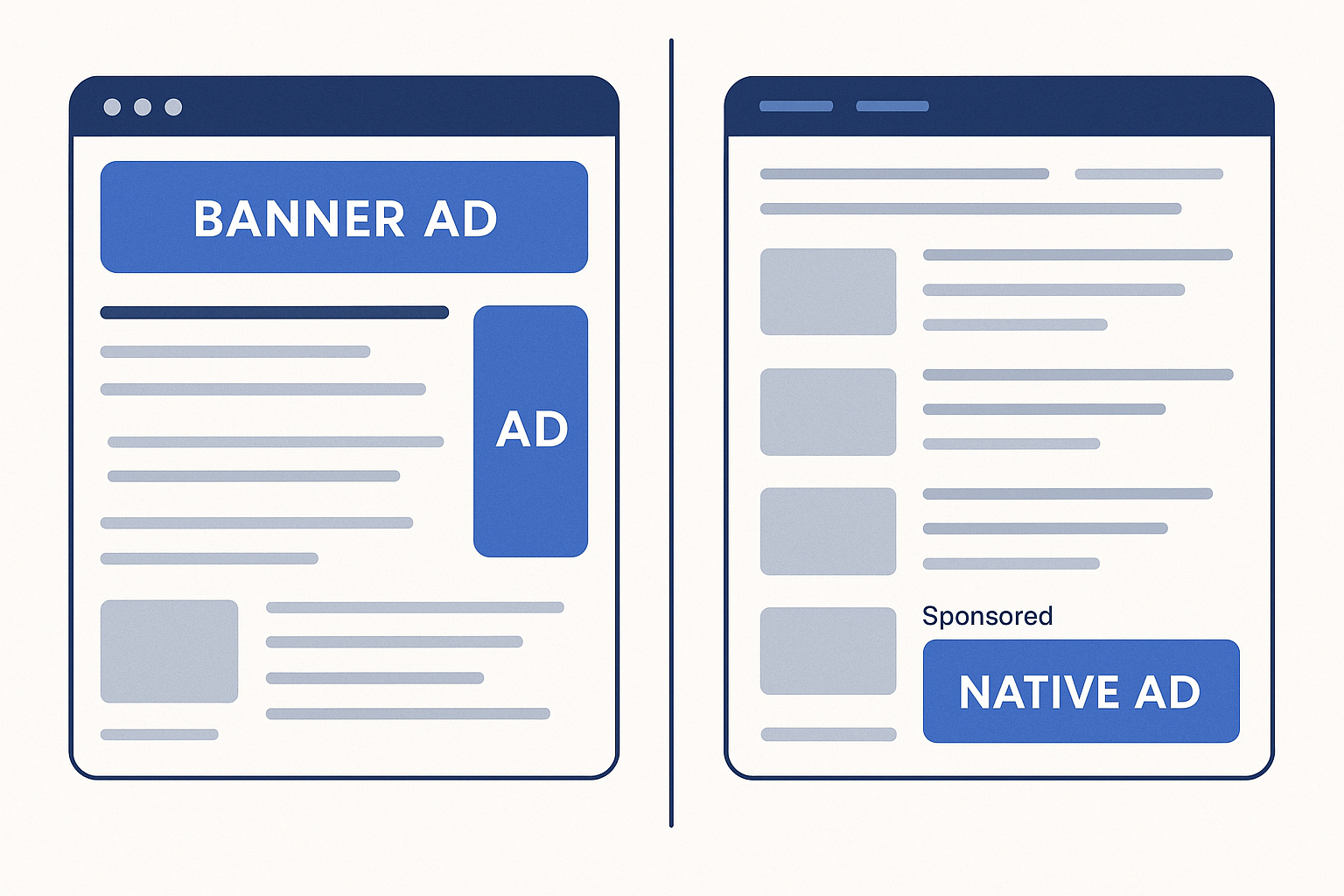
Traditional banner ads scream "advertisement" from across the room. Native ads whisper "hey, this might interest you" while blending seamlessly into the content feed. That subtlety is worth its weight in conversions.
The numbers tell the story. Native ads generate 53% more views than display ads and produce an 18% lift in purchase intent. But here's what those statistics don't capture—native traffic converts differently because it arrives differently.
When someone clicks your native ad, they're not in "avoid the sales pitch" mode. They're in content consumption mode, which means they're more receptive to your message and more likely to follow your funnel through to completion.
The Trust Factor
Publishers like CNN, Forbes, and Yahoo don't just accept any advertiser into their native placements. The editorial standards are higher, which creates an implied endorsement. Your offer benefits from that borrowed credibility.
Say you're promoting a financial education course through ClickBank. Running that same offer through Facebook ads versus a native placement on MarketWatch creates completely different psychological contexts for your prospects.
Platform Selection: Where Smart Affiliates Spend Their Money
Not all native platforms are created equal, and your offer type should dictate your platform choice. I've tested extensively across the major players, and each has distinct advantages.
Taboola and Outbrain: The Heavy Hitters
These two dominate premium publisher inventory. Taboola tends to perform better for lifestyle and entertainment verticals, while Outbrain excels with business and finance content. Minimum spends start around $500-1000 monthly, but the traffic quality justifies the entry barrier.
The key insight most affiliates miss? These platforms reward content-first approaches. Your ad creative needs to look like editorial content, not a sales page screenshot.
Revcontent and Content.ad: The Scrappy Alternatives
Lower minimum spends make these platforms accessible for testing. Revcontent has particularly strong performance in health and wealth verticals, while Content.ad offers more flexible approval processes for affiliate offers.
But here's the catch—the publisher quality varies more widely. You'll need to blacklist aggressively and optimize placements constantly.
MGID and EngageYa: International Opportunities
If you're running offers in international markets, these platforms offer native inventory that Taboola and Outbrain don't touch. MGID particularly excels in Eastern European and Latin American markets.
Creative Strategy: The Make-or-Break Factor
Your creative approach determines everything in native advertising. Get this wrong, and even the best targeting won't save your campaign.
Headlines That Hook Without Overpromising
The most effective native headlines create curiosity without triggering skepticism. "This 57-Year-Old Grandmother's Investment Strategy" performs better than "Make $5,000 Monthly with This Secret Method."
I've found that specificity beats hyperbole every time. Age references, location details, and specific scenarios outperform generic benefit claims consistently.
The sweet spot? Headlines between 60-80 characters that pose questions or present unexpected angles. "Why Financial Advisors Hate This Simple Portfolio Strategy" works because it implies insider knowledge without making impossible promises.
Images That Stop the Scroll
Stock photos kill native campaigns. Period.
The images that work look like they belong in editorial content—real people, authentic moments, or simple graphics that support the headline's promise. Screenshots of earnings or before/after photos might work on Facebook, but they're poison in native placements.
Funnel Architecture for Native Traffic
Native traffic behaves differently than search or social traffic, which means your standard affiliate funnel probably won't work optimally.
The Bridge Page Imperative
Direct linking to affiliate offers from native ads is campaign suicide. The disconnect between your editorial-style ad and a typical sales page creates cognitive dissonance that kills conversions.
Your bridge page needs to continue the editorial experience while pre-selling the offer. Think of it as the middle chapter in a story that began with your native ad and concludes on the offer page.
For a weight loss supplement offer, your bridge page might be titled "The 3 Metabolism Mistakes That Keep You Overweight After 40" and provide genuine value while naturally leading to the supplement as the solution.
Content-to-Sales Ratio
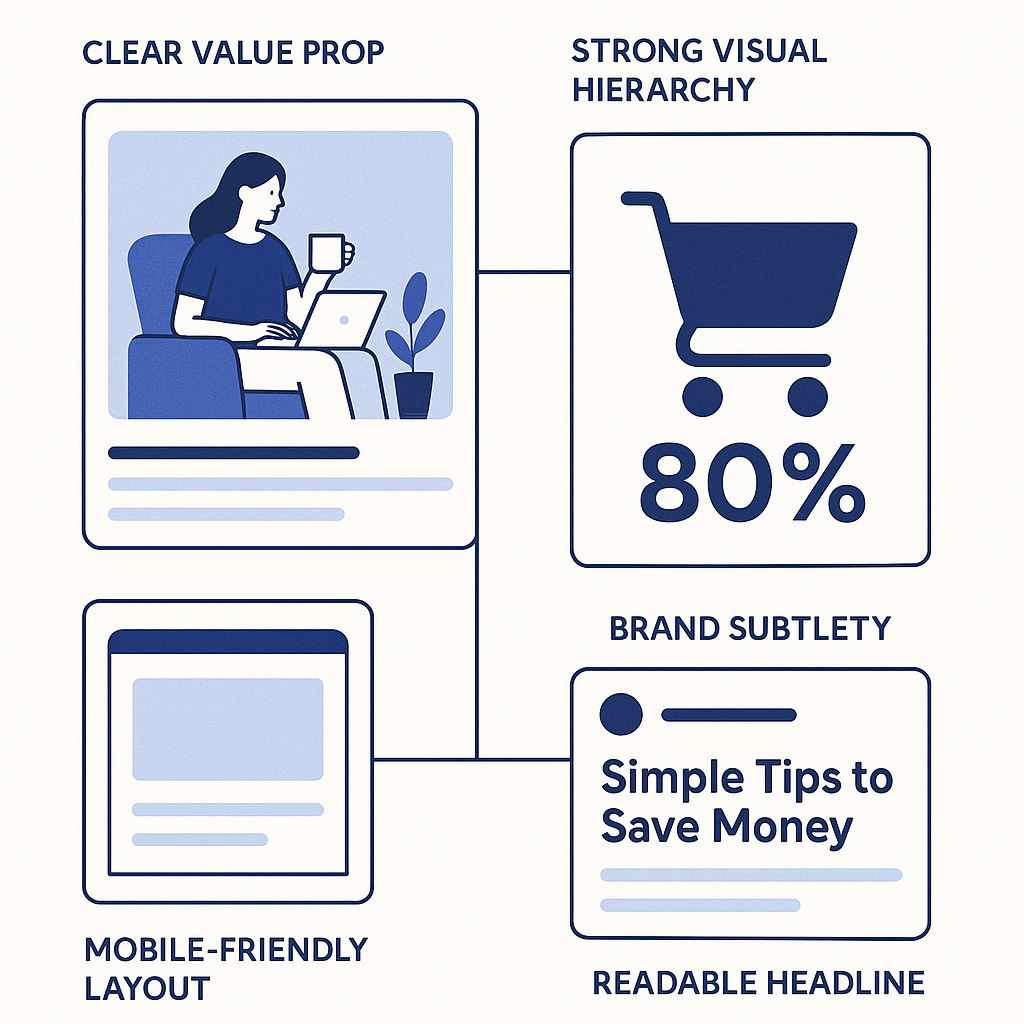
The most successful native affiliates follow an 80/20 rule—80% valuable content, 20% sales messaging on their bridge pages. This maintains the editorial feel while building trust and desire.
I've tested this extensively. Pages that jump straight into sales mode convert 40-60% worse than those that provide substantial value first.
Advanced Targeting and Optimization Tactics
Native platforms offer sophisticated targeting options that most affiliates barely scratch the surface of using effectively.
Behavioral Targeting Beyond Demographics
Age and gender targeting is amateur hour. The real power lies in behavioral and contextual targeting. Someone reading articles about retirement planning is in a completely different mindset than someone browsing celebrity gossip, even if they're the same age and gender.
Layer your targeting strategically. Start with contextual (article categories), add behavioral (recent browsing patterns), then refine with demographics. This approach typically reduces CPCs by 20-30% while improving relevance.
The Placement Optimization Game
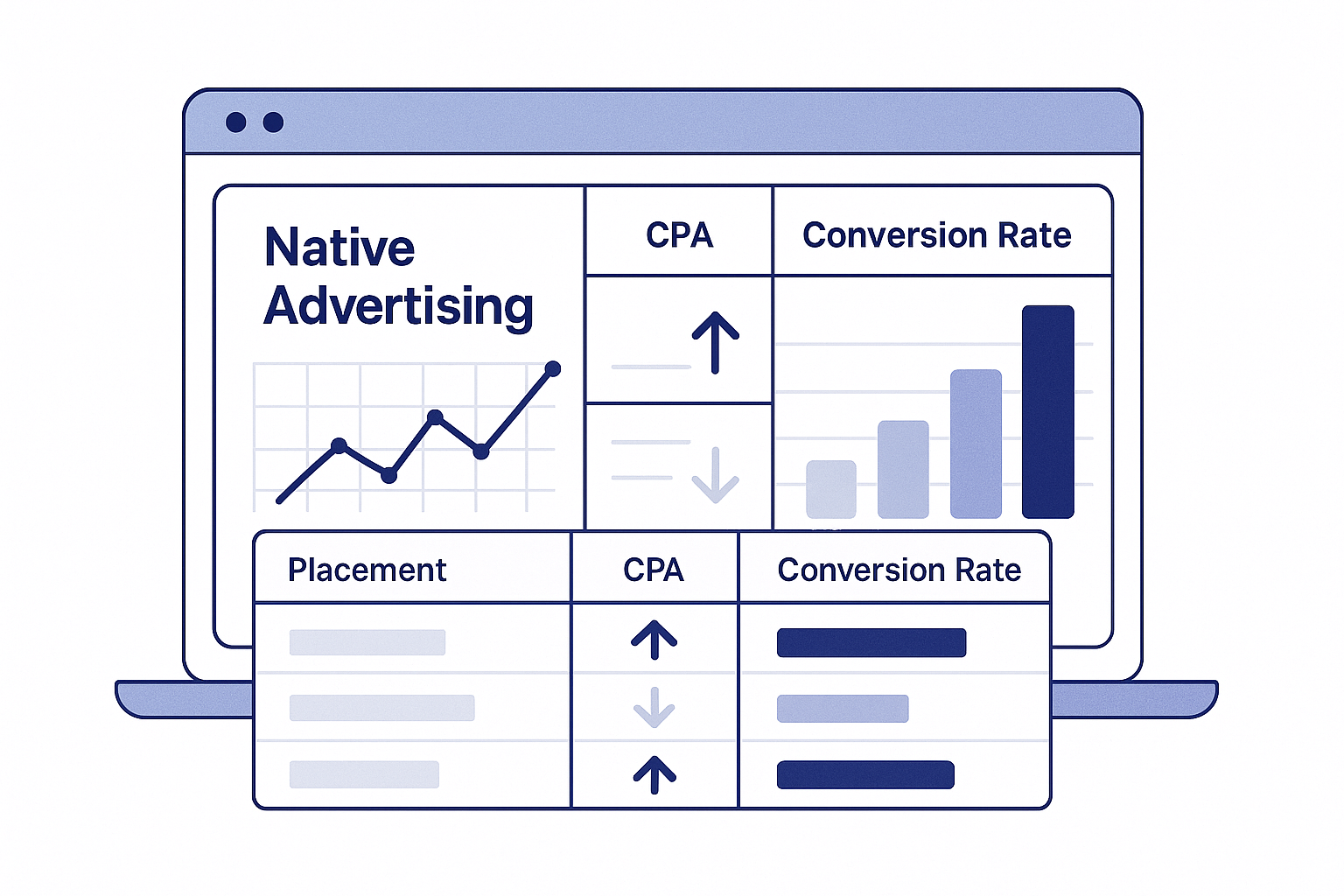
This is where fortunes are made or lost in native advertising. Not all placements are created equal, and the difference between top-performing and bottom-performing placements can be 10x or more.
Start broad, gather data aggressively, then optimize ruthlessly. I typically blacklist any placement with a CPA more than 150% of my target within the first 48 hours. The platforms won't do this optimization for you—it's not in their interest.
Compliance and Approval Strategies
Native platforms are increasingly strict about affiliate marketing compliance, and the approval process can make or break your campaigns before they start.
The secret is thinking like an editor, not a marketer. Your ads need to pass the "would this fit in a magazine" test. Claims need substantiation, images need authenticity, and landing pages need genuine value.
Most rejections come from obvious sales language in ad copy or bridge pages that are thin on content. The platforms want to protect their publisher relationships, which means maintaining editorial standards.
The Pre-Approval Checklist
Before submitting any campaign, audit your entire funnel from the publisher's perspective. Would this content enhance or detract from their user experience? If there's any doubt, refine until the answer is clearly positive.
Keep detailed documentation of any claims made in your ads or landing pages. The approval teams are getting more sophisticated about fact-checking, especially in health, finance, and business opportunity verticals.
Scaling Native Campaigns Profitably
The real challenge isn't getting native campaigns profitable—it's scaling them without losing profitability. The platforms that deliver quality traffic have limited inventory, and aggressive scaling often leads to diminishing returns.
The smart approach is horizontal scaling. Once you have a winning campaign on Taboola, test the same creative and targeting approach on Outbrain, Revcontent, and MGID. The learning curve is shorter, and you're not competing against yourself for the same inventory.
Creative rotation becomes crucial at scale. What works today might be fatigued next month. I maintain at least 5-10 creative variations for any campaign doing more than $1,000 daily spend.
The counterintuitive part? Sometimes scaling means spending less per platform and spreading across more platforms rather than pushing harder on your best performer.
Native advertising represents the evolution of affiliate marketing toward more sophisticated, content-driven approaches. The affiliates who master this channel aren't just buying traffic—they're building media properties that generate sustainable, long-term profits.
The barrier to entry is higher than Facebook ads or Google search, but so are the rewards. Quality native traffic converts better, complains less, and provides more predictable scaling opportunities for serious affiliate marketers ready to invest in doing things right.
Frequently Asked Questions (Updated 2026)
Do native ad platforms allow AI-generated content on landing pages and bridge pages in 2026?
This is one of the most common questions affiliates are asking right now, and the honest answer is: it depends on quality, not origin. Taboola, Outbrain, and most premium native platforms don't explicitly ban AI-generated content—but they do enforce editorial quality standards that poorly-produced AI content frequently fails.
In practice, native platforms and their publisher partners have become significantly better at identifying thin, templated AI content through a combination of automated detection and manual review. Bridge pages that lack original perspective, use generic stock imagery, or follow obvious AI-content patterns are being rejected at higher rates in 2026 than in previous years.
The practical rule: if your AI-assisted content reads like something a knowledgeable human expert would write—with specific examples, genuine opinions, and useful detail—it will generally pass review. If it reads like a padded summary of Wikipedia, it won't. Human editing of AI drafts is now essentially table stakes for affiliates running native at scale. See our breakdown of Bridge Page Compliance: Compliant vs. Non-Compliant Approaches for specific examples of what passes and what gets flagged.
What's a realistic starting budget for native advertising as an affiliate in 2026?
Platform minimums and competitive CPCs have both risen, so the honest starting budget figure has shifted upward. Here's a realistic breakdown for 2026:
- Taboola or Outbrain self-serve: Budget $1,500–$2,500 for your initial testing phase. This gives you enough data across multiple creatives and headlines to identify what's working before scaling. At current average CPCs of $0.50–$1.00, that's 1,500–5,000 clicks—enough for statistically meaningful conversion data.
- Microsoft Native: You can start testing with $800–$1,200 given lower CPCs, making it a reasonable entry point if your vertical fits their audience.
- Daily minimums: Don't try to test on $20–$30/day. At those levels, the algorithm doesn't have enough data to optimize and you'll draw wrong conclusions. $50–$75/day per campaign is a more honest floor.
Factor in your bridge page or pre-lander costs, tracking setup (Voluum, RedTrack, or similar), and creative production. Total realistic startup investment before you have a profitable campaign dialed in: $3,000–$5,000 for most affiliates. Anyone telling you native works on a $500 test budget in 2026 is selling something.
For a comparison of how native stacks up against other paid channels in terms of ROI and capital requirements, our analysis of Email Marketing vs Paid Ads: Which Channel Wins for ROI? provides useful context.
How do you build a native ad bridge page that actually converts in 2026?
The bridge page is where most affiliate native campaigns succeed or fail—and the standards for what converts have risen alongside platform scrutiny. A bridge page that worked in 2024 may now be getting rejected or converting at a fraction of its former rate.
What's working in 2026:
- Advertorial-style content over hard pre-sells: Native traffic responds to editorial framing. A 600–900 word piece that reads like an honest review or personal story dramatically outperforms a page that looks like a sales letter with a native ad wrapper.
- Specific, verifiable claims: Vague benefit statements are a red flag for both platforms and visitors. Specific numbers, named studies, or first-person results with context convert significantly better.
- Mobile-first design: The majority of native traffic is now mobile. If your bridge page isn't loading in under 2.5 seconds on mobile and laid out for thumb-scrolling, you're losing conversions before they happen.
- Compliance-first structure: FTC disclosure requirements have been more actively enforced in 2026. Clear "sponsored content" or "advertisement" labels, honest affiliate disclosures, and no fake countdown timers or fabricated scarcity signals.
For a detailed walkthrough of bridge page structure, copy frameworks, and technical setup, see Why Your Affiliate Bridge Page Isn't Converting (And How to Fix It).
This article contains affiliate links. We may earn a commission at no extra cost to you. Full disclosure.
Editorial Team
Senior Digital Marketing Strategist
The Prophet Visionary editorial team covers affiliate marketing, paid traffic, funnels, and digital product strategy with hands-on practitioner experience.
Learn more about our editorial team →Your Traffic Is Only as Good as Your Follow-Up
You're paying for clicks — but are you capturing emails and automating sequences? AWeber makes it dead simple to turn paid traffic into a monetized email list.
See How AWeber WorksThis page contains affiliate links — I may earn a commission at no extra cost to you.
Disclaimer: The information on this site is for educational purposes only and does not constitute financial, legal, or business advice. Results vary based on individual effort, market conditions, and other factors. Always do your own due diligence before making business or investment decisions.