Why Your Lead Magnet Isn't Converting (And How to Fix It)
You built the thing. You spent a weekend writing a PDF guide, slapped a decent headline on it, connected it to your ConvertKit form, and sent traffic at it. And then... nothing. Maybe a trickle of opt-ins. Maybe a decent open rate on the first email, followed by silence. The affiliate offer at the end of the sequence? Crickets.
I've been there. Most affiliate marketers have. And the frustrating part isn't that lead magnets don't work—they absolutely do. The frustrating part is that nobody tells you why yours isn't working. Instead, you get recycled advice about "providing value" and "knowing your audience" that reads like a fortune cookie and helps about as much as one.
So let's skip the platitudes. This is a diagnostic guide. We're going to look at every stage of lead magnet creation for affiliate funnels—from the concept to the delivery sequence—and I'll tell you exactly where the breakdown usually happens and what to do about it.
The Real Problem: Most Lead Magnets Are Built Backwards
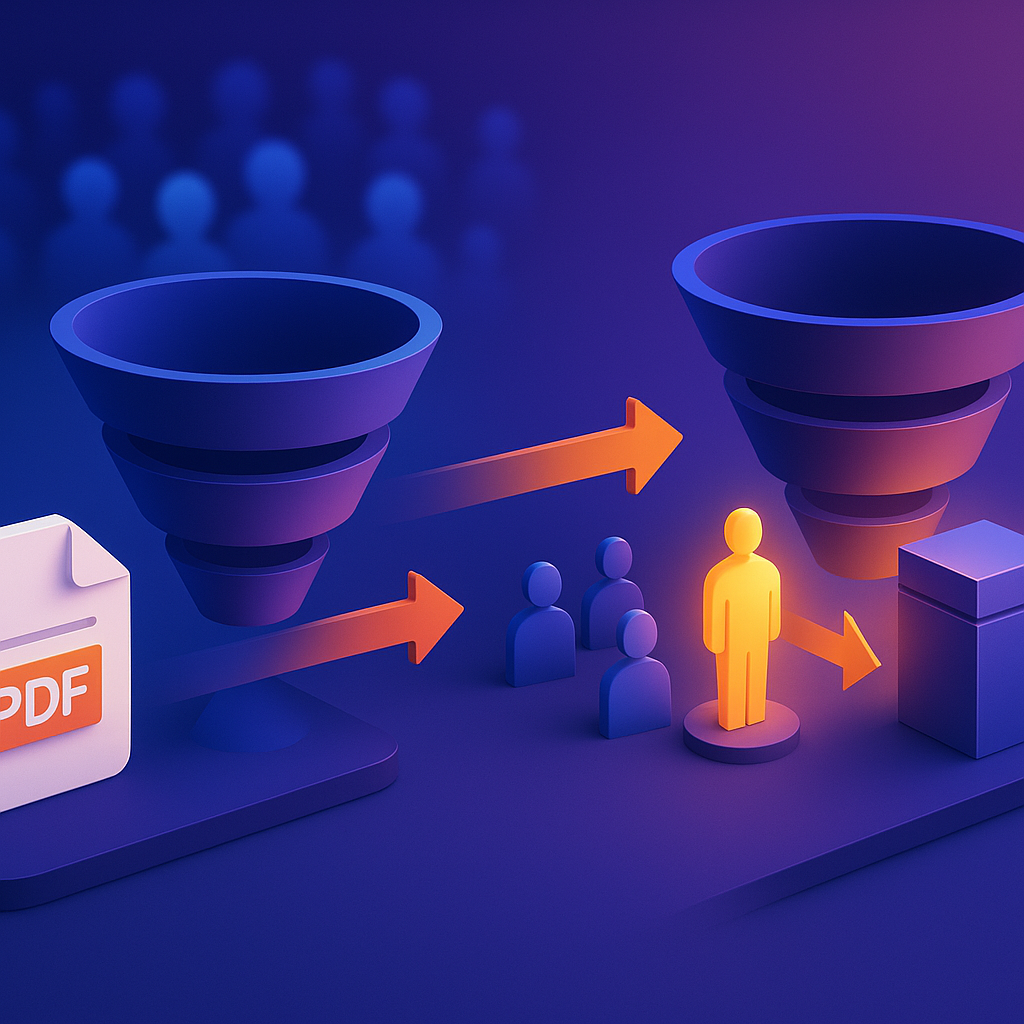
Here's what most people do: they think of something they know how to explain, turn it into a PDF or checklist, then try to find an affiliate offer that kind of matches it. That's backwards. The lead magnet should be engineered backwards from the affiliate offer you're promoting.
Think about the job of a lead magnet inside an affiliate funnel. It's not to educate. It's not to build a relationship—not yet, anyway. Its primary job is to attract the exact type of person who is already predisposed to buy the affiliate product you're promoting, and to do it in a way that makes the eventual pitch feel like a natural next step rather than a bait-and-switch.
If you're promoting a ClickBank weight loss offer, a lead magnet titled "7 Healthy Habits for a Better Life" is too broad. It'll attract people who want vague wellness inspiration, not people who are actively trying to lose 20 pounds before summer. The specificity gap between your lead magnet and your offer is where conversions go to die.
Step 1: Anchor Your Lead Magnet to the Offer First
Before you create a single slide or write a single sentence, pull up the sales page for the affiliate offer you're promoting. Read it carefully. What problem does it solve? What's the emotional language on the page—fear of failure, desire for transformation, frustration with a current situation?
Your lead magnet should be a free, partial solution to the same problem. Not a different problem. Not a related problem. The same problem, solved just enough to demonstrate the gap between where they are and where they need to be.
A few frameworks that work well here:
- The Diagnosis Framework: Help them identify and name their specific problem. A quiz, assessment, or checklist that says "here's exactly what's wrong" works well because it creates a knowledge gap that your affiliate offer fills.
- The Quick Win Framework: Give them one small, fast result that proves the method works—but is clearly the tip of a much larger iceberg. A "5-minute morning routine" that gives a taste of a larger program is a classic version of this.
- The Swipe File / Template Framework: Provide a tool that saves time but requires knowledge or skill to use properly. The affiliate offer teaches that knowledge or skill.
What doesn't work: comprehensive guides that answer everything. If your lead magnet is so complete that someone feels satisfied, they have no reason to buy anything. I've made this mistake more than once—writing 40-page guides that got great feedback and terrible affiliate conversions.
Step 2: Pick the Right Format for Your Traffic Source
This is the one most guides skip entirely. The format of your lead magnet matters enormously, and it's not one-size-fits-all. It depends on where your traffic is coming from and what that audience expects.
Cold paid traffic—say, native ads from Taboola or display networks like Adsterra or Outbrain—requires a different lead magnet than warm organic traffic from a YouTube channel or newsletter. Cold audiences need extreme specificity and a very low perceived commitment. A one-page checklist or a short video training converts better than a 20-page PDF because it feels less like homework.
Warm audiences—people who already follow you, read your content, or came from a search query with clear intent—can handle more depth. They're already sold on you as a source. A detailed guide or a mini-course works well here.
Here's a rough format guide by traffic source:
| Traffic Source | Best Lead Magnet Format | Why It Works |
|---|---|---|
| Native ads (Taboola, Outbrain) | Single-page cheat sheet, quiz | Low commitment, fast perceived value |
| Facebook/Instagram cold | Video training (15-20 min), template | Visual medium, matches platform behavior |
| Organic SEO traffic | Guide, checklist, mini-course | High intent, willing to invest time |
| Newsletter / existing list | Swipe file, toolkit, resource list | Already trusts you, wants practical tools |
| YouTube / podcast | Companion resource, worksheet | Extends the content they already consumed |
The counterintuitive part: a worse-looking lead magnet in the right format will outperform a beautifully designed one in the wrong format every single time. I've seen plain-text Google Docs crush polished Canva PDFs when the audience was SEO-driven and already in research mode.
Step 3: Write an Opt-In Headline That Converts—Not Just Describes
Most opt-in headlines describe the lead magnet. "Free PDF: 10 Tips for Better email marketing." That's a description. It tells someone what they're getting. It doesn't tell them why they should care or what changes for them after they get it.
Conversion-focused headlines follow a simple formula: Specific Outcome + Specific Timeframe + Implied Mechanism.
"How to Write Emails That Actually Get Clicks—Even If You've Never Written Copy Before" works better than "10 Email Marketing Tips" because it speaks to the outcome (emails that get clicks), addresses a fear (I'm not a writer), and implies a method. The specificity does the heavy lifting.
What most people get wrong is writing headlines for themselves—what they'd want to read—instead of for the specific frustrated person they're trying to reach. Before writing your headline, write down the single sentence that person would say to a friend about their problem. Then write a headline that answers that sentence directly.
Step 4: Build the Delivery Sequence With Intent, Not Just Welcome Emails
Your lead magnet delivery sequence is where most affiliate funnels actually fall apart. People download the lead magnet, get a "here's your download" email, and then... a pitch. Sometimes immediately. The conversion rate on that approach is brutal.
A well-structured 3-email welcome sequence does several things before it ever mentions an affiliate offer:
- Email 1 (Immediate): Delivers the lead magnet, sets expectations for what's coming, and asks one engagement question to segment or warm up the subscriber.
- Email 2 (Day 2): Reinforces the problem. Tells a story—yours or a relatable one—about what happens when the problem goes unsolved. This isn't manipulation; it's context.
- Email 3 (Day 3-4): Introduces the solution framework and naturally bridges to the affiliate offer as the tool or program that implements it.
If you're using ConvertKit or a similar platform, you can tag subscribers based on link clicks in Email 1 and 2, then send Email 3 only to engaged subscribers. That alone can meaningfully improve affiliate conversion rates because you're not pitching cold, disengaged people. For a deeper look at how ConvertKit handles this kind of behavioral segmentation, this hands-on ConvertKit review covers the actual mechanics.
Step 5: Match Your Landing Page to the Lead Magnet's Promise
Message match. It sounds obvious. It's almost never done right.
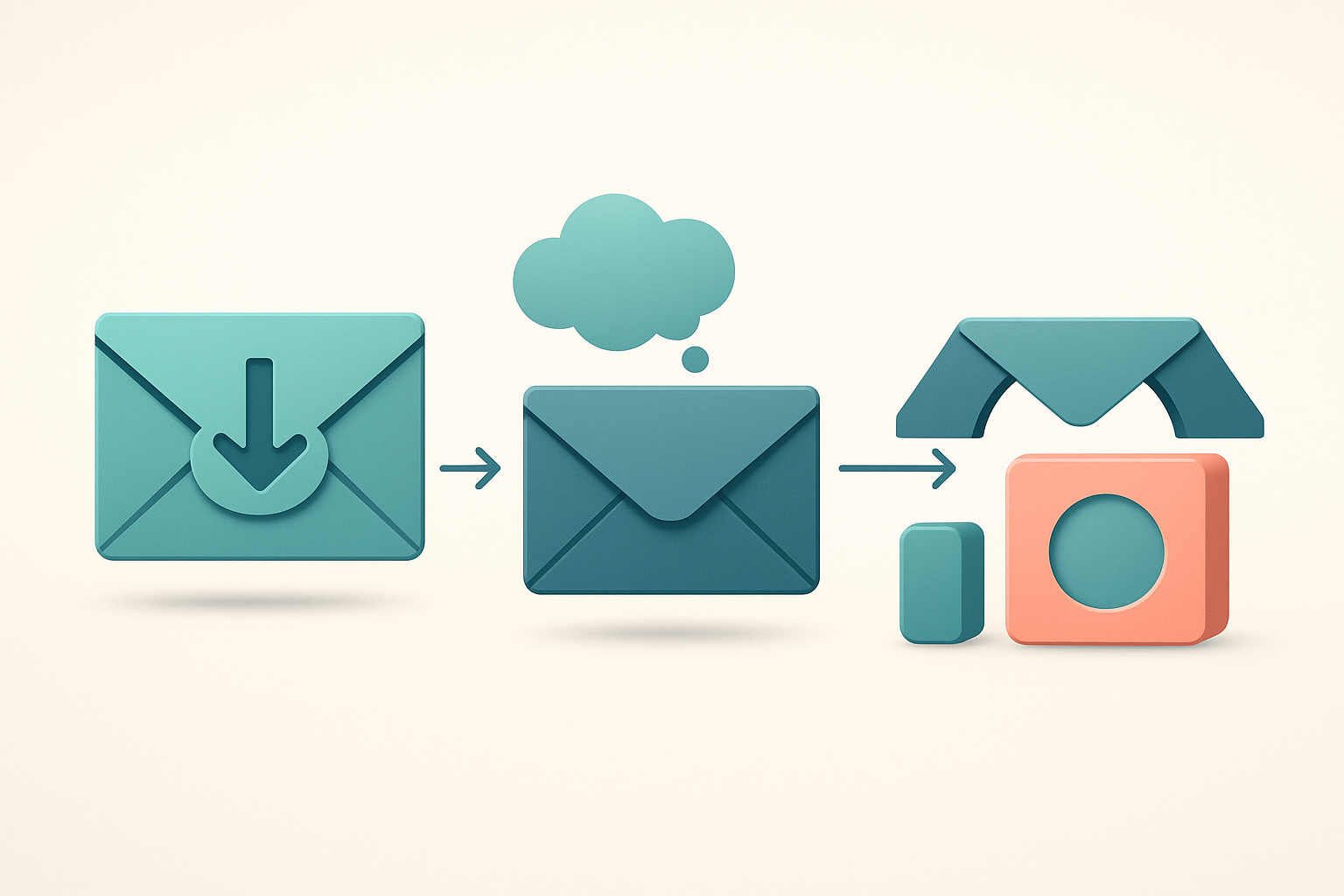
If your ad says "Get the free checklist to triple your email open rates," your landing page headline should say something extremely close to that. Not "Join my community and learn email marketing." Not "Free resources for digital marketers." The same specific promise, restated and expanded.
Every degree of separation between your ad copy and your landing page headline costs you opt-ins. This is especially true with paid traffic, where someone clicked based on a very specific promise and any confusion triggers immediate back-button behavior.
Keep opt-in pages lean. One headline. One subheadline that clarifies the benefit. A short bullet list (3 bullets max) of what they get. A form. That's it. Systeme.io's landing page builder handles this well for affiliates who want simple, fast pages without a monthly fee that scales with features they'll never use. If you're weighing more feature-rich platforms, this comparison of Kartra vs GoHighLevel is worth reading before you commit to a platform stack.
Step 6: Track What's Actually Happening
You cannot fix what you can't see. Honestly, most affiliate marketers running lead magnet funnels have no idea where their funnel is breaking down because they're not tracking the individual steps.
At minimum, you need to know:
- Landing page conversion rate (opt-ins ÷ unique visitors)
- Lead magnet delivery email open rate
- Email sequence click-through rates by email
- Affiliate offer click-through rate from emails
If your landing page is converting at under 20% on cold traffic, the problem is the page or the traffic quality—not the offer. If your delivery email has a 60% open rate but nobody clicks through to the lead magnet, the problem is the lead magnet itself or how it's framed. If people download the magnet but don't click the affiliate link in Email 3, the bridge between the free content and the paid offer is broken.
Each of these is a different fix. Treating them all as "the funnel isn't working" and changing everything at once is how you spend months spinning your wheels. For a proper GA4 and UTM setup that makes this tracking actually actionable, this conversion tracking guide walks through the full setup.
From the Field: Practical Implementation Notes
A few observations from building and testing these funnels that don't fit neatly into a numbered list:
Quizzes outperform static PDFs in most cold traffic contexts right now. The interactivity creates micro-commitments, and the results page is a natural place to introduce an affiliate offer as the solution to whatever the quiz diagnosed. Tools like Typeform or Interact work well for this. The trade-off is that quiz funnels take longer to build and require more thoughtful copy at each stage.
The lead magnet title matters more than the content inside it. I know that sounds cynical, but it's true in practice. A well-titled mediocre checklist will outperform a poorly titled comprehensive guide in opt-in rate almost every time. You can always improve the content over time. You need the opt-in to happen first.
Delivery speed affects trust. If someone opts in at 11pm and gets the download email three hours later, they've already moved on mentally. Immediate delivery—within seconds—is table stakes. Any automation platform worth using handles this, but double-check your sequences are set to trigger immediately, not on a daily batch send schedule.
PDF lead magnets should be mobile-readable. More than half of your subscribers will open your delivery email on a phone. A beautifully formatted 8.5x11 PDF that requires zooming and scrolling horizontally will be closed immediately. Design for mobile first, or use a Google Doc or Notion page as the delivery format instead—both render perfectly on mobile without any design work.
One lead magnet per funnel. I've seen affiliates offer three different downloads on the same opt-in page thinking more options means more opt-ins. It doesn't. Choice creates paralysis. Pick one, make it specific, and commit to it.
Troubleshooting: When Something's Still Off
High opt-in rate, low email engagement: Your lead magnet attracted the wrong people. The headline promised something broader than the content delivered, or the traffic source doesn't match the offer category. Tighten the headline or change the traffic source.
Low opt-in rate despite decent traffic: Message mismatch between ad and landing page, or the lead magnet itself doesn't sound compelling. Test the headline first—it's the highest-leverage change you can make to a landing page.
Good email engagement, terrible affiliate conversions: The bridge between your lead magnet content and the affiliate offer is weak. The offer isn't the obvious next step after consuming your free content. Either change the offer or rebuild the lead magnet around the offer you want to promote.
Everything looks fine on paper but still not converting: Check your affiliate offer itself. Not every offer converts well from email, and some ClickBank products have sales pages that kill conversions even when the traffic is warm and qualified. Test a different offer in the same niche before assuming the problem is your funnel.

Your 10-Minute Action Plan (Start Right Now)
Stop reading and do these in order. Seriously—10 minutes, that's all this takes to get unstuck.
- Minutes 1-2: Open the sales page for the affiliate offer you're promoting. Write down the top three emotional pain points mentioned in the copy. These exact pain points are what your lead magnet needs to speak to.
- Minutes 3-4: Choose a format based on your traffic source using the table above. If you're unsure, default to a one-page checklist. It's the fastest to create and the easiest to consume.
- Minutes 5-6: Write three headline options for your lead magnet using the Specific Outcome + Timeframe + Implied Mechanism formula. Pick the one that most directly mirrors the language on the affiliate sales page.
- Minutes 7-8: Outline your 3-email delivery sequence. One sentence per email: what's the core message and what's the one action you want the reader to take?
- Minutes 9-10: Open your funnel builder or landing page tool and create a new page. Drop in your best headline, three bullet points describing what they get, and a form. Nothing else. You can design it later. Get the structure live first.
That's a complete lead magnet funnel framework in 10 minutes. Not finished—but started. And starting with a clear structure is the difference between a funnel that eventually works and one that sits half-built in a folder you stop opening.
The lead magnets that convert aren't the most impressive ones. They're the most specific ones—built backwards from an offer, matched to a traffic source, and delivered through a sequence that earns the pitch before making it. Get that structure right, and the results follow.
This article contains affiliate links. We may earn a commission at no extra cost to you. Full disclosure.
Editorial Team
Senior Digital Marketing Strategist
The Prophet Visionary editorial team covers affiliate marketing, paid traffic, funnels, and digital product strategy with hands-on practitioner experience.
Learn more about our editorial team →Build High-Converting Funnels Without 5 Different Tools
Systeme.io gives you a drag-and-drop funnel builder, email automation, upsells, order bumps, and analytics — all in one platform starting at $0/month.
See the Funnel BuilderThis page contains affiliate links — I may earn a commission at no extra cost to you.
Disclaimer: The information on this site is for educational purposes only and does not constitute financial, legal, or business advice. Results vary based on individual effort, market conditions, and other factors. Always do your own due diligence before making business or investment decisions.