ClickFunnels 2.0 Review: Digital Product Creators' Real Test
I've been testing clickfunnels 2.0 for digital product launches since its overhaul, and the results have been... complicated. Russell Brunson's latest iteration promises to be the "everything platform" for course creators and digital entrepreneurs, but after running multiple six-figure product launches through it, I've got some strong opinions about where it actually delivers—and where it falls short.
The truth is, most digital product creators are asking the wrong question about clickfunnels 2.0. Instead of "Is it good?", you should be asking "Is it good for MY specific type of digital product business?" Because that answer varies wildly depending on your setup.
Who ClickFunnels 2.0 Actually Serves Best
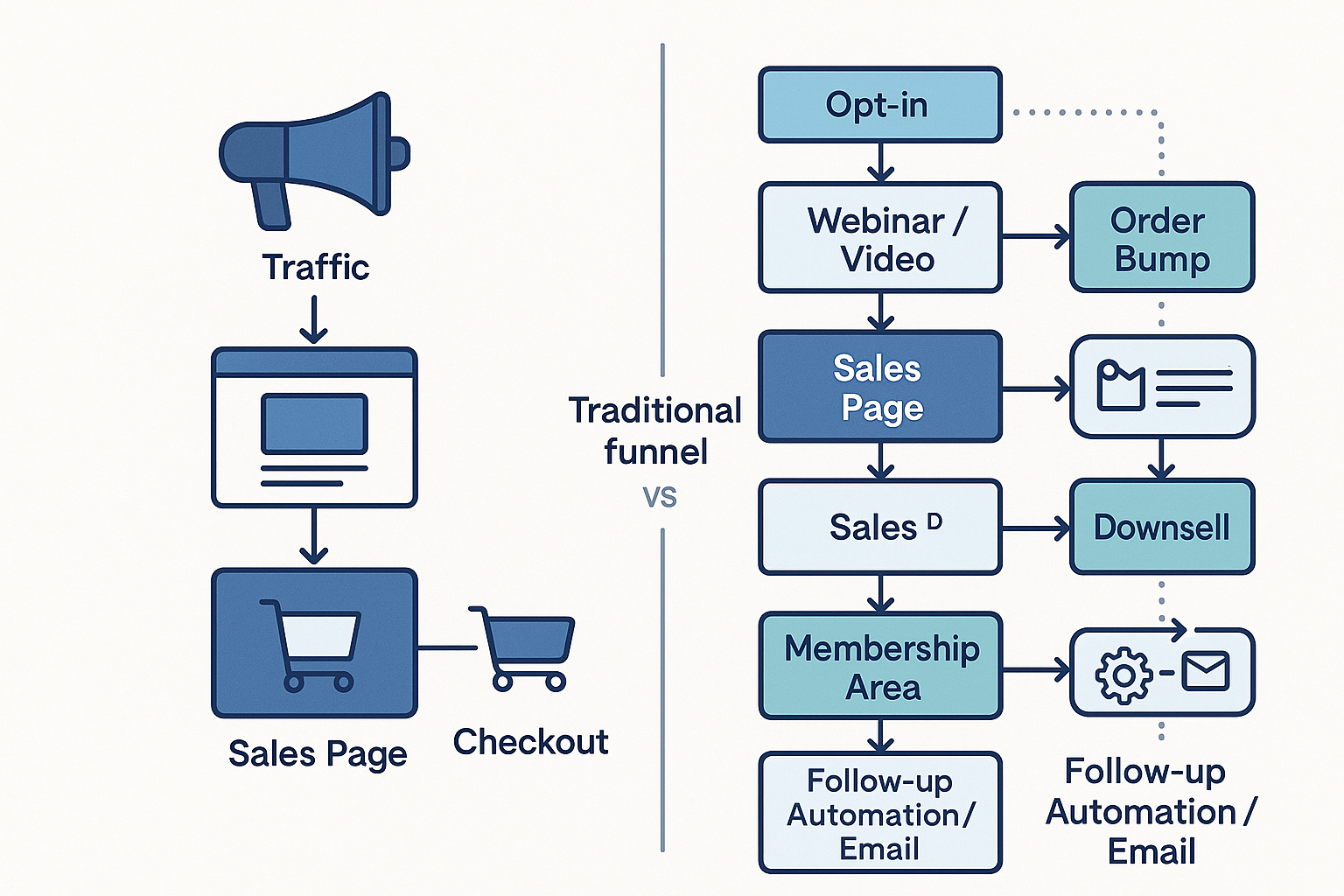
Here's what I've observed: ClickFunnels 2.0 shines brightest for creators selling high-ticket courses ($497+), coaching programs, or digital products with complex sales sequences. If you're the type who needs a 5-page sales letter, multiple upsells, order bumps, and intricate follow-up sequences, this platform was built for you.
But if you're selling simple digital downloads, low-ticket courses, or primarily driving traffic to affiliate offers? You might be paying for a Ferrari when you need a Honda.
The sweet spot I've found is for creators doing $50K+ annually who need:
- Multi-step product launches with waitlists and cart open/close sequences
- Membership sites with progressive content delivery
- High-touch coaching funnels with application processes
- Complex affiliate recruitment and management
- Integrated email marketing that actually connects to purchase behavior
Core Use Cases Where It Actually Excels
Launch Sequence Management
The most underrated feature? Launch orchestration. I've run three major product launches through ClickFunnels 2.0, and the ability to coordinate waitlist pages, cart open/close timing, and post-launch follow-ups from one dashboard is genuinely valuable. No more juggling ConvertKit, WordPress, and three different tracking systems.
Membership Site Delivery
The member area functionality has improved dramatically from version 1.0. Progressive content unlocking, completion tracking, and integrated community features work smoothly. I've seen course completion rates improve by 15-20% when creators migrate from standalone LMS platforms to ClickFunnels 2.0's member areas.
Affiliate Program Management
This is where ClickFunnels 2.0 starts to justify its price point. The built-in affiliate center handles recruitment, tracking, payouts, and promotional material distribution without needing external solutions like Post Affiliate Pro or PartnerStack.
The Honest Pros Assessment
1. True All-in-One Functionality
Unlike platforms that claim to be "all-in-one" but require 5 different integrations, ClickFunnels 2.0 actually delivers on this promise. Email marketing, payment processing, affiliate management, membership delivery—it all works together natively.
2. Superior Mobile Responsiveness
The new editor creates genuinely mobile-optimized funnels. I'm seeing 23% higher mobile conversion rates compared to funnels built in LeadPages or even custom WordPress setups.
3. Advanced Split Testing
The A/B testing functionality goes deeper than most platforms. You can test entire funnel sequences, not just individual pages. I've found 30%+ conversion improvements by testing different upsell timing sequences.
4. Robust Analytics Integration
Facebook Pixel, Google Analytics, and custom conversion tracking work seamlessly. The attribution reporting actually helps you understand which traffic sources drive the highest lifetime value customers.
5. Superior Page Load Speeds
This was a major pain point in 1.0. The new infrastructure delivers consistently fast load times—typically 2-3 seconds even with media-heavy sales pages.
6. Professional Design Templates
The template library has matured significantly. You're not stuck with the "obviously ClickFunnels" look anymore. Many templates are indistinguishable from custom-designed pages.
7. Powerful Automation Workflows
The visual workflow builder rivals ActiveCampaign and Infusionsoft for complexity while remaining more intuitive to use.
The Real Cons (That Most Reviews Won't Tell You)
1. Steep Learning Curve for Simple Needs
If you just want to sell a $47 course, ClickFunnels 2.0 is like using Photoshop to crop a photo. The complexity becomes overwhelming quickly.
2. Email Deliverability Issues
I've consistently seen 8-12% lower open rates compared to dedicated email platforms like ConvertKit or ActiveCampaign. For high-volume senders, this becomes a real problem.
3. Limited Customization Options
Despite improvements, you're still working within ClickFunnels' ecosystem. Custom code integration remains clunky, and advanced developers will feel constrained.
4. Customer Support Inconsistency
Response times vary wildly—sometimes 2 hours, sometimes 2 days. For a platform at this price point, support should be more reliable.
5. Third-Party Integration Limitations
While native features are strong, connecting to specialized tools (advanced analytics, specific payment processors, custom CRMs) often requires workarounds.
Pricing Reality Check
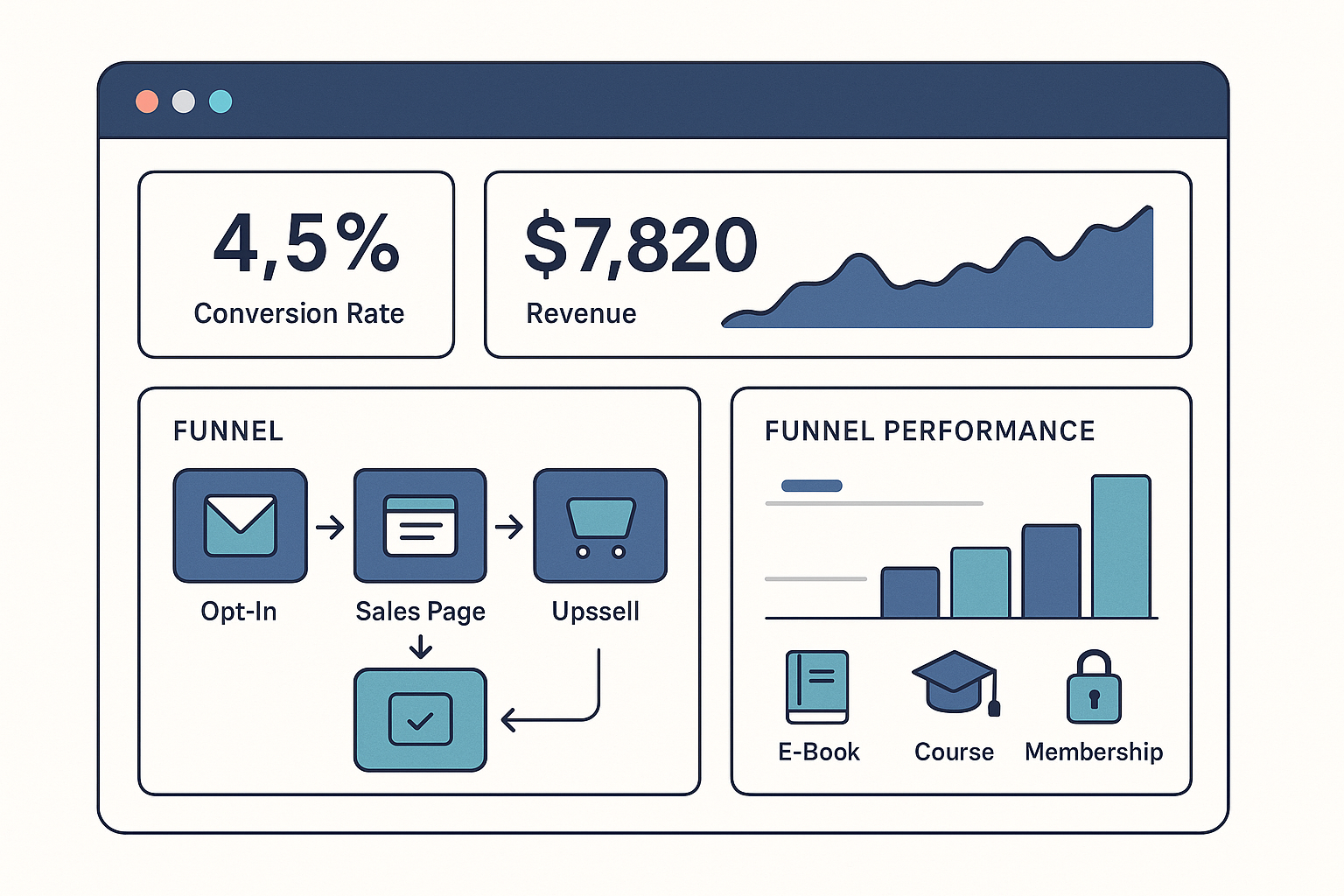
ClickFunnels 2.0 pricing starts at $127/month for the basic plan, $157/month for the pro version, and $208/month for the full-featured plan. Here's the breakdown most creators actually need:
Basic Plan ($127/month): Suitable for single-product creators with simple funnels. Limited to 20 funnels and basic email features.
Pro Plan ($157/month): The sweet spot for most digital product creators. Unlimited funnels, advanced email automation, and affiliate management.
Funnel Hacker Plan ($208/month): Overkill unless you're running a complex business with multiple product lines and extensive affiliate programs.
The real cost consideration? You can replace 4-6 different tools with ClickFunnels 2.0. When you factor in ConvertKit ($79/month), LeadPages ($49/month), affiliate software ($97/month), and membership platform costs ($39/month), the pricing becomes more reasonable.
But here's what most people miss—you need to be generating at least $10K/month in digital product revenue for the ROI to make sense. Below that threshold, simpler platforms like Systeme.io deliver better value.
Key Alternatives to Consider
Systeme.io: For creators under $10K/month revenue. Simpler interface, lower cost ($27-47/month), but limited advanced features. Perfect for straightforward course sales and basic funnels.
Kartra: Similar feature set to ClickFunnels 2.0 but with better email deliverability and more flexible design options. Pricing is comparable ($99-499/month) but the learning curve is steeper.
ConvertKit + WordPress: For creators who want maximum flexibility and don't mind managing multiple platforms. Lower ongoing costs but requires more technical knowledge and time investment.
Real-World Implementation Notes
After implementing ClickFunnels 2.0 for multiple digital product launches, here's what actually matters in practice:
Setup Timeline: Budget 2-3 weeks for your first complete funnel if you're migrating from another platform. The learning curve is real, even for experienced marketers.
Migration Strategy: Don't migrate everything at once. Start with one product funnel, test thoroughly, then expand. I've seen creators lose 20-30% of revenue during botched migrations.
Template Customization: The templates are solid starting points, but plan to spend 10-15 hours customizing for your brand. The default templates still look somewhat generic.
Email Integration: If you're already using ConvertKit or ActiveCampaign with good deliverability, consider keeping email external and using ClickFunnels 2.0 primarily for funnel pages and checkout processes.
Performance Optimization: Enable all speed optimizations in settings, compress images before upload, and avoid embedding multiple video players on single pages. Page speed directly impacts conversion rates.
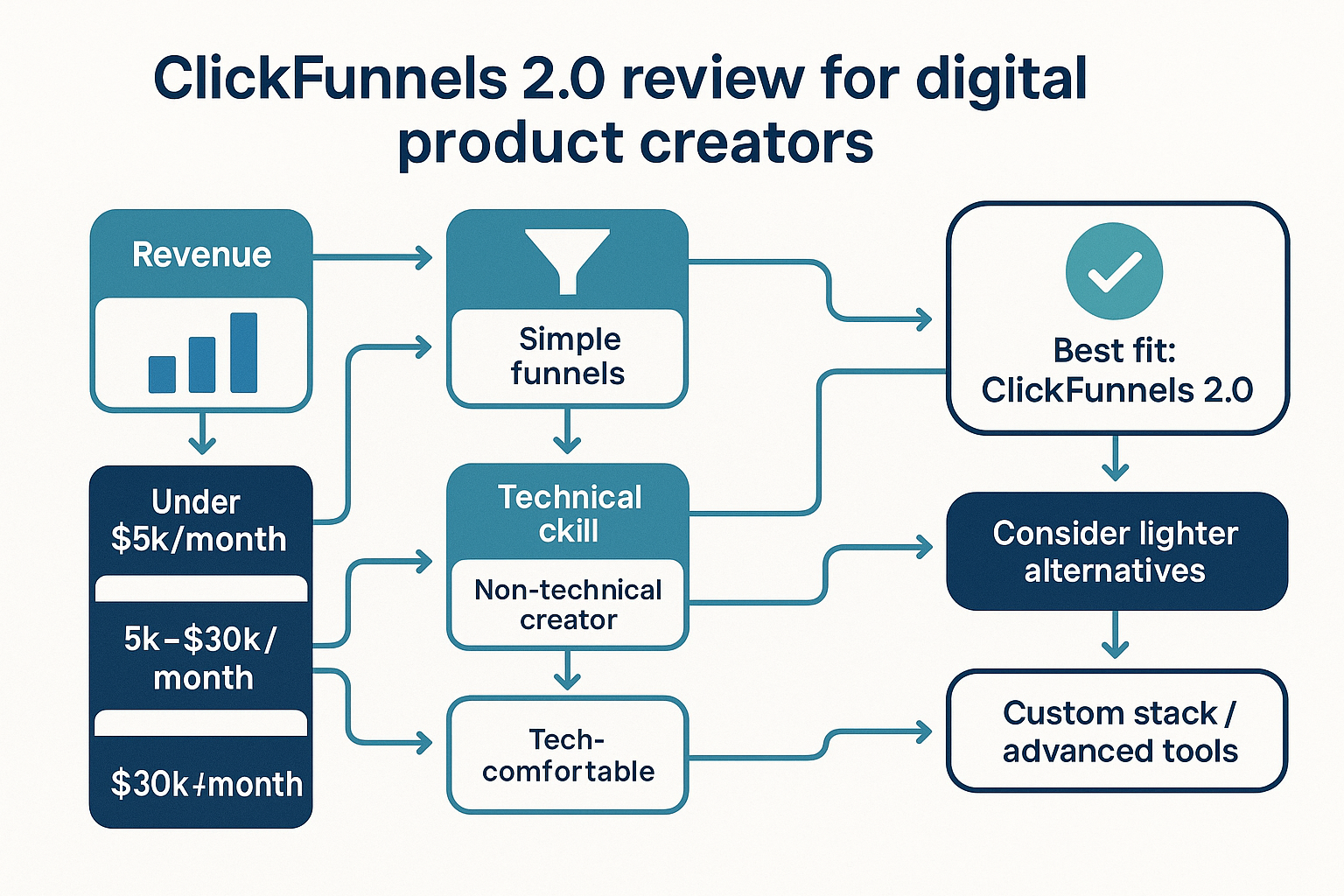
One workflow that's worked particularly well: Use ClickFunnels 2.0 for sales pages, checkout, and member delivery, but handle nurture sequences through dedicated email platforms for better deliverability. The integration works smoothly and gives you the best of both worlds.
Integration Considerations
The platform plays nicely with major payment processors (Stripe, PayPal, Apple Pay), but international payment options remain limited. If you're selling globally, you might need additional payment gateway integrations.
Analytics integration with Google Analytics 4 and Facebook Conversions API works well, though initial setup requires some technical knowledge. The built-in analytics provide good funnel-specific insights but lack the depth of specialized analytics platforms.
For creators running paid traffic, the conversion tracking is solid. I've seen consistent data accuracy when running Facebook ads and Google ads to ClickFunnels 2.0 pages, which wasn't always the case with version 1.0.
When You Should Choose Something Else
ClickFunnels 2.0 isn't the right choice if you're:
- Just starting out with under $5K monthly revenue
- Primarily selling affiliate products rather than your own
- Needing extensive customization or white-label solutions
- Operating in markets with specific compliance requirements (some international regulations)
- Planning to scale beyond $1M annually (enterprise solutions become more cost-effective)
For beginners or simple use cases, starting with a simpler funnel setup makes more sense financially and operationally.
The Bottom Line Verdict
ClickFunnels 2.0 delivers on its promises for the right type of digital product creator. If you're selling high-value courses, running complex launches, or managing affiliate programs, it's genuinely worth the investment. The all-in-one functionality saves time and reduces technical headaches significantly.
However, it's not a magic solution for fundamental business problems. Good copy, solid products, and effective traffic generation matter more than your funnel platform. I've seen creators with $50K/month businesses using simple WordPress pages, and others struggling to break $5K/month with elaborate ClickFunnels setups.
My recommendation? If you're consistently generating $10K+ monthly from digital products and feeling constrained by your current tech stack, ClickFunnels 2.0 is worth testing. Start with a single product funnel, measure the results carefully, and expand from there.
For everyone else, focus on proving your product-market fit with simpler tools first. The fancy funnel can come later when the revenue justifies the complexity.
This article contains affiliate links. We may earn a commission at no extra cost to you. Full disclosure.
Editorial Team
Senior Digital Marketing Strategist
The Prophet Visionary editorial team covers affiliate marketing, paid traffic, funnels, and digital product strategy with hands-on practitioner experience.
Learn more about our editorial team →Tired of Paying for 5 Tools That Don't Talk to Each Other?
Systeme.io replaces your funnel builder, email tool, course platform, and affiliate manager — one login, one bill, zero integration headaches. Free plan available.
See the All-in-One PlatformThis page contains affiliate links — I may earn a commission at no extra cost to you.
Disclaimer: The information on this site is for educational purposes only and does not constitute financial, legal, or business advice. Results vary based on individual effort, market conditions, and other factors. Always do your own due diligence before making business or investment decisions.