Voluum Tracker Review: Native Ad Affiliate's Real Performance Test
After burning through $15,000 testing various tracking platforms for native ad campaigns, I've got some strong opinions about Voluum. Most affiliate marketers either worship it or dismiss it completely—both camps are missing the nuanced reality.
Here's what I've learned running Voluum across Taboola, Outbrain, and NewsBreak campaigns over the past 18 months.
Who Voluum Actually Serves Best
Voluum isn't for everyone. That's the first thing most people get wrong.
If you're running basic clickbank offers with simple direct linking, you're probably overpaying for features you'll never touch. But if you're serious about native advertising—especially at scale—Voluum starts making sense around the $3,000-5,000 monthly ad spend mark.
The sweet spot users I've observed:
- Native ad affiliates running multiple offers simultaneously
- Teams managing campaigns across different verticals
- Affiliates doing serious split-testing on landers and angles
- Anyone running campaigns that require detailed attribution modeling
The platform really shines when you're juggling complexity. Single-offer, single-traffic-source campaigns? There are cheaper solutions.

Core Use Cases Where Voluum Excels
Multi-Offer Native Campaigns
I've found Voluum's campaign organization particularly strong when running seasonal health offers across different native platforms. The ability to clone campaigns with all tracking parameters intact saves hours of setup time.
What most people don't realize: Voluum's real power isn't in basic conversion tracking—it's in the campaign architecture. When you're testing 15 different landers against 3 offers across 4 traffic sources, the organizational structure becomes critical.
Advanced Attribution Modeling
Native ads often involve longer conversion windows. Someone sees your ad on Taboola Tuesday, clicks Thursday, buys Saturday. Voluum's attribution windows handle this better than most alternatives I've tested.
The counterintuitive part? The default attribution settings aren't optimal for most native campaigns. I typically extend the click window to 30 days for info products, 7 days for physical products.
Team Collaboration Features
If you're working with VAs or have multiple team members, Voluum's permission system actually works. I can give my media buyer access to specific campaigns without exposing overall account profitability—something that's surprisingly difficult with other platforms.
The Real Pros (From Someone Who Uses It Daily)
1. Traffic Source Integration Depth
Voluum's API connections with major native platforms are genuinely robust. Auto-bidding adjustments based on conversion data work reliably with Taboola and Outbrain. I've seen 20-30% efficiency improvements just from automated bid optimization.
2. Custom Conversion Goals
You can track multiple conversion types within the same campaign. I typically track email signups, trial starts, and full purchases separately. This granularity helps optimize for different funnel stages.
3. Real-Time Data Accuracy
The reporting lag is minimal—usually under 5 minutes for conversion data. When you're spending $500+ daily on native ads, real-time optimization becomes crucial.
4. Landing Page Rotation Logic
The split-testing engine is sophisticated. You can weight traffic distribution based on conversion rates, not just equal splits. Smart rotation has improved my overall campaign ROI by roughly 15%.
5. Custom Domain Masking
For native ads, clean tracking links matter. Voluum's domain masking keeps your tracking URLs looking professional—important for ad approval rates on platforms like Taboola.
6. Postback Integration
Setting up postbacks with affiliate networks is straightforward. The template library covers most major networks, and custom postback setup is well-documented.
7. Mobile App Functionality
The mobile app isn't just a dashboard viewer—you can actually pause campaigns, adjust budgets, and monitor performance. Useful when you're away from your desk and need to react to performance changes.
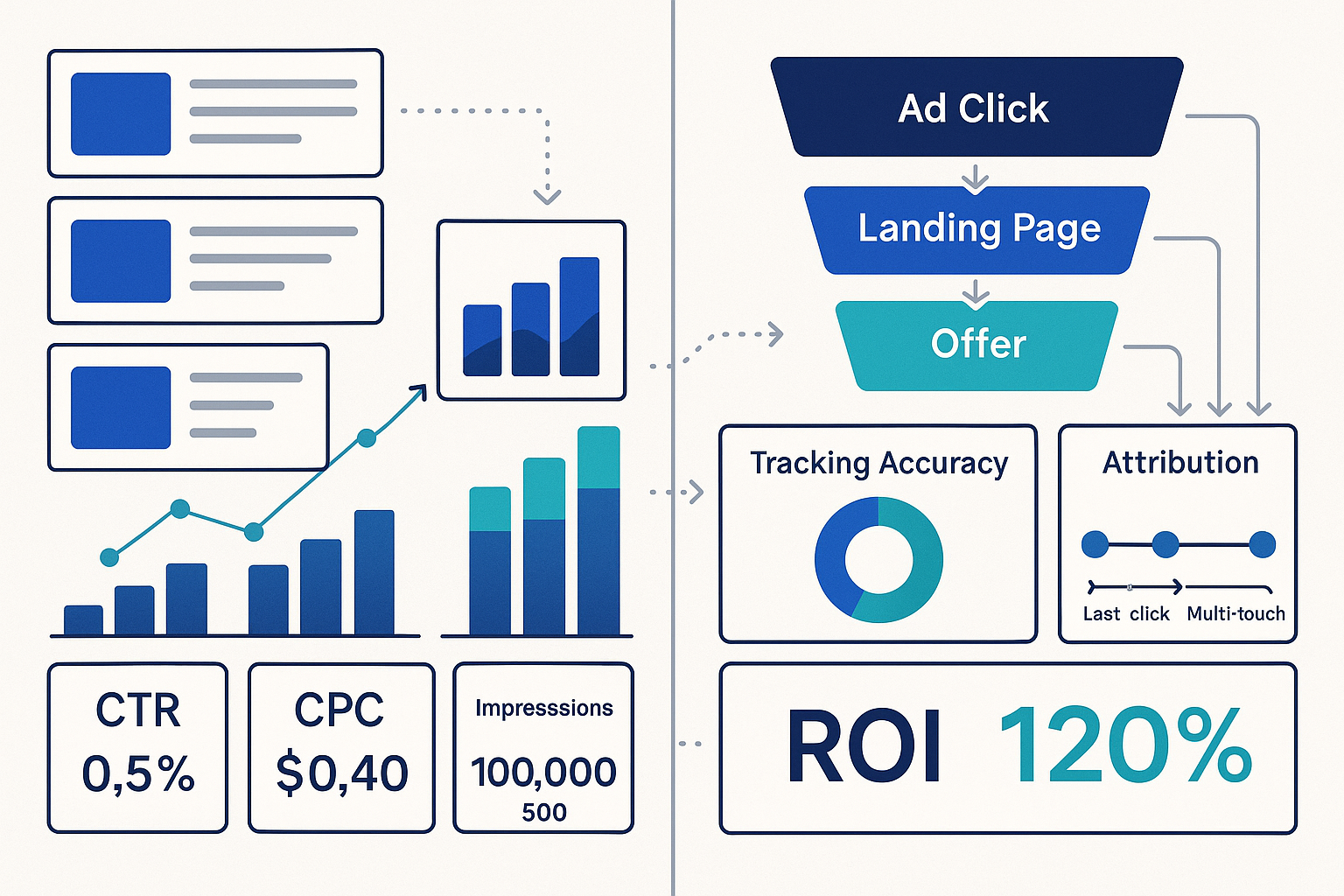
The Honest Cons (What They Don't Tell You)
1. Steep Learning Curve
Voluum has way too many features for most users. I spent my first month confused by half the interface. The documentation is comprehensive but overwhelming for beginners.
2. Pricing Escalates Quickly
The entry-level plan looks reasonable until you hit the event limits. If you're driving significant traffic volume, you'll upgrade faster than expected. I jumped from the $149 plan to the $499 plan within three months.
3. Customer Support Inconsistency
Support quality varies dramatically depending on your plan tier. Basic plan users get slow email responses. Higher-tier plans get better treatment, but it's frustrating that support quality is tied to spend level.
4. Reporting Interface Complexity
Creating custom reports requires too many clicks. For daily optimization tasks, I often export data to Google Sheets because it's faster than building reports in Voluum's interface.
5. Limited Built-In Analytics
You'll still need Google Analytics or similar for deeper website analytics. Voluum tracks conversions well but doesn't provide comprehensive user behavior insights.
Pricing Reality Check
Voluum's pricing structure has shifted significantly since 2024. Here's what you're actually looking at:
- Starter: $149/month (100K events) - Adequate for testing
- Profit: $499/month (1M events) - Where most serious affiliates land
- Scale: $999/month (5M events) - For larger operations
- Enterprise: Custom pricing - Serious volume only
The hidden cost: most native affiliates underestimate their event volume. A single visitor can generate 3-5 events (click, landing page view, conversion). Factor this into your budget planning.
What's worth noting: the price jump from Starter to Profit feels steep, but the feature differences justify it if you're running multiple campaigns.
Realistic Alternatives
RedTrack
RedTrack offers similar functionality at lower price points. I've tested both extensively—RedTrack's interface is cleaner, but Voluum's traffic source integrations are deeper. For budget-conscious affiliates, RedTrack vs Voluum comparison shows RedTrack winning on cost-effectiveness.
BeMob
BeMob targets the same market with more aggressive pricing. The feature set is comparable for basic tracking needs. However, their reporting capabilities lag behind Voluum's sophistication.
Honestly? If you're spending under $2,000 monthly on native ads, consider these alternatives seriously.
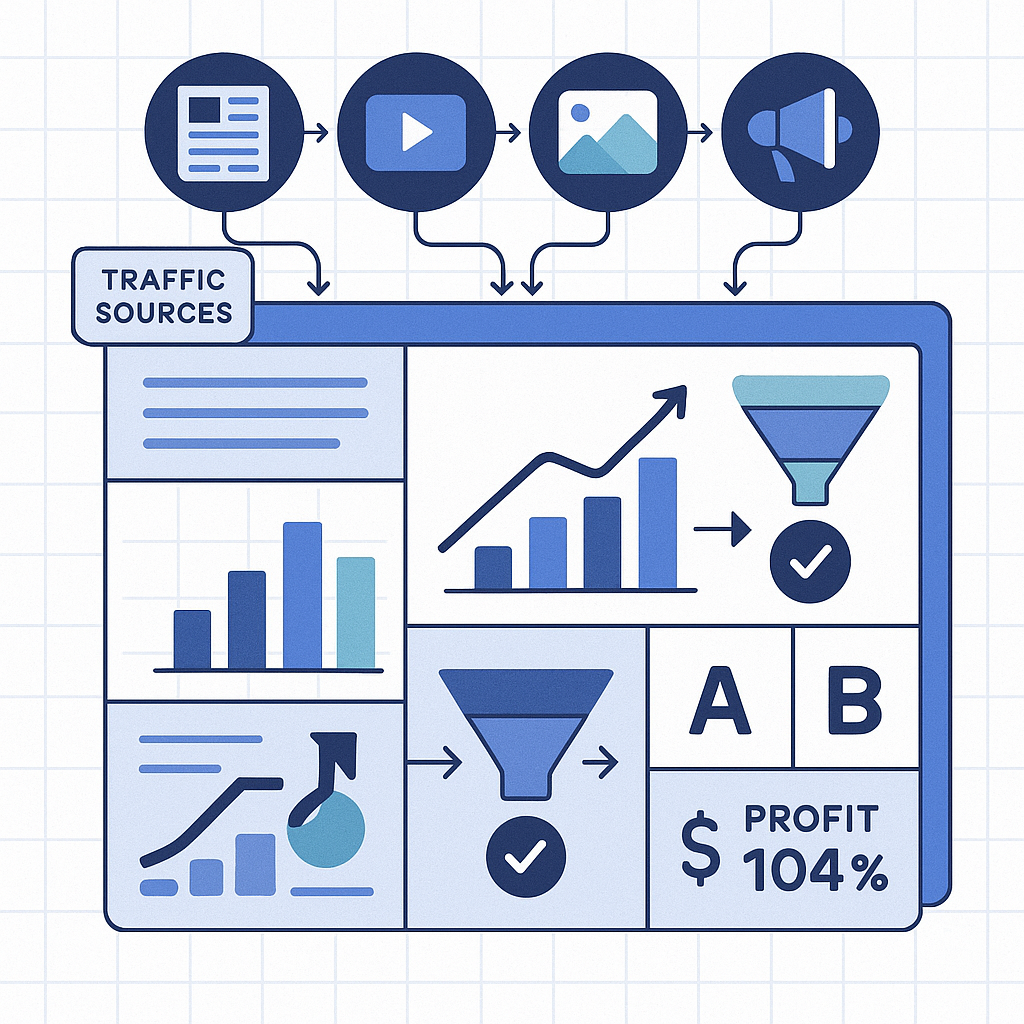
Real-World Implementation Notes
Here's what I wish someone had told me before starting with Voluum:
Setup Workflow That Actually Works
Don't try to implement everything at once. Start with basic conversion tracking, then add complexity gradually. I recommend this progression:
- Week 1: Basic campaign setup with single conversion goal
- Week 2: Add landing page rotation
- Week 3: Implement multiple conversion tracking
- Week 4: Set up automated rules and alerts
Campaign Naming Conventions
Establish consistent naming early. I use: [TrafficSource]_[Offer]_[Date]_[TestVariable]. This becomes crucial when managing dozens of campaigns.
Conversion Tracking Gotchas
Test your tracking setup with small budgets first. I've seen affiliates lose thousands due to misconfigured postbacks. Always verify conversions are recording correctly before scaling.
For native ads with ClickBank offers, the postback setup requires extra attention—ClickBank's tracking can be finicky with third-party platforms.
Optimization Frequency
Don't over-optimize. I check campaigns twice daily—morning and evening. Constant tweaking often hurts performance more than it helps.
Integration with Native Ad Workflows
Voluum integrates particularly well with the native advertising ecosystem. The platform understands that native traffic sources like Taboola and Outbrain require different tracking approaches than search or social traffic.
The automated bid optimization works reliably with major native platforms. I've seen consistent performance improvements when letting Voluum adjust bids based on conversion data—something not all tracking platforms handle well.
But here's the thing: success with Voluum on native ads depends heavily on proper campaign structure. The platform gives you enough rope to hang yourself if you don't understand native advertising fundamentals.
Who Should Skip Voluum
Be honest about your needs. Skip Voluum if:
- You're running simple direct-link campaigns under $1,000 monthly spend
- You're just starting with affiliate marketing
- You prefer simple tools over feature-rich platforms
- Budget constraints make the pricing prohibitive
There's no shame in using simpler tracking solutions. I know successful affiliates using basic UTM tracking for straightforward campaigns.
The Bottom Line
Voluum is a powerful tracking platform that justifies its cost for serious native ad affiliates. The learning curve is real, the pricing adds up quickly, but the functionality delivers when you need sophisticated campaign management.
I'd recommend Voluum if you're spending $3,000+ monthly on native ads and running multiple campaigns simultaneously. Below that threshold, you're probably paying for features you don't need.
The platform works best for affiliates who understand that tracking is just one piece of the puzzle. If you're expecting Voluum to magically improve your campaigns, you'll be disappointed. But if you need detailed attribution, advanced split-testing, and reliable traffic source integrations, it's among the best options available.
For most native ad affiliates reading this, Voluum represents a significant step up in campaign sophistication. Just make sure you're ready for that complexity before making the investment.
See Voluum's current features and pricing to evaluate if it matches your campaign requirements and budget.
This article contains affiliate links. We may earn a commission at no extra cost to you. Full disclosure.
Editorial Team
Senior Digital Marketing Strategist
The Prophet Visionary editorial team covers affiliate marketing, paid traffic, funnels, and digital product strategy with hands-on practitioner experience.
Learn more about our editorial team →Tired of Paying for 5 Tools That Don't Talk to Each Other?
Systeme.io replaces your funnel builder, email tool, course platform, and affiliate manager — one login, one bill, zero integration headaches. Free plan available.
See the All-in-One PlatformThis page contains affiliate links — I may earn a commission at no extra cost to you.
Disclaimer: The information on this site is for educational purposes only and does not constitute financial, legal, or business advice. Results vary based on individual effort, market conditions, and other factors. Always do your own due diligence before making business or investment decisions.